
Each month, we will move through film history and watch a film from a different decade that we believe to be important to film history. Join us as we travel through time and continue to keep these films alive.
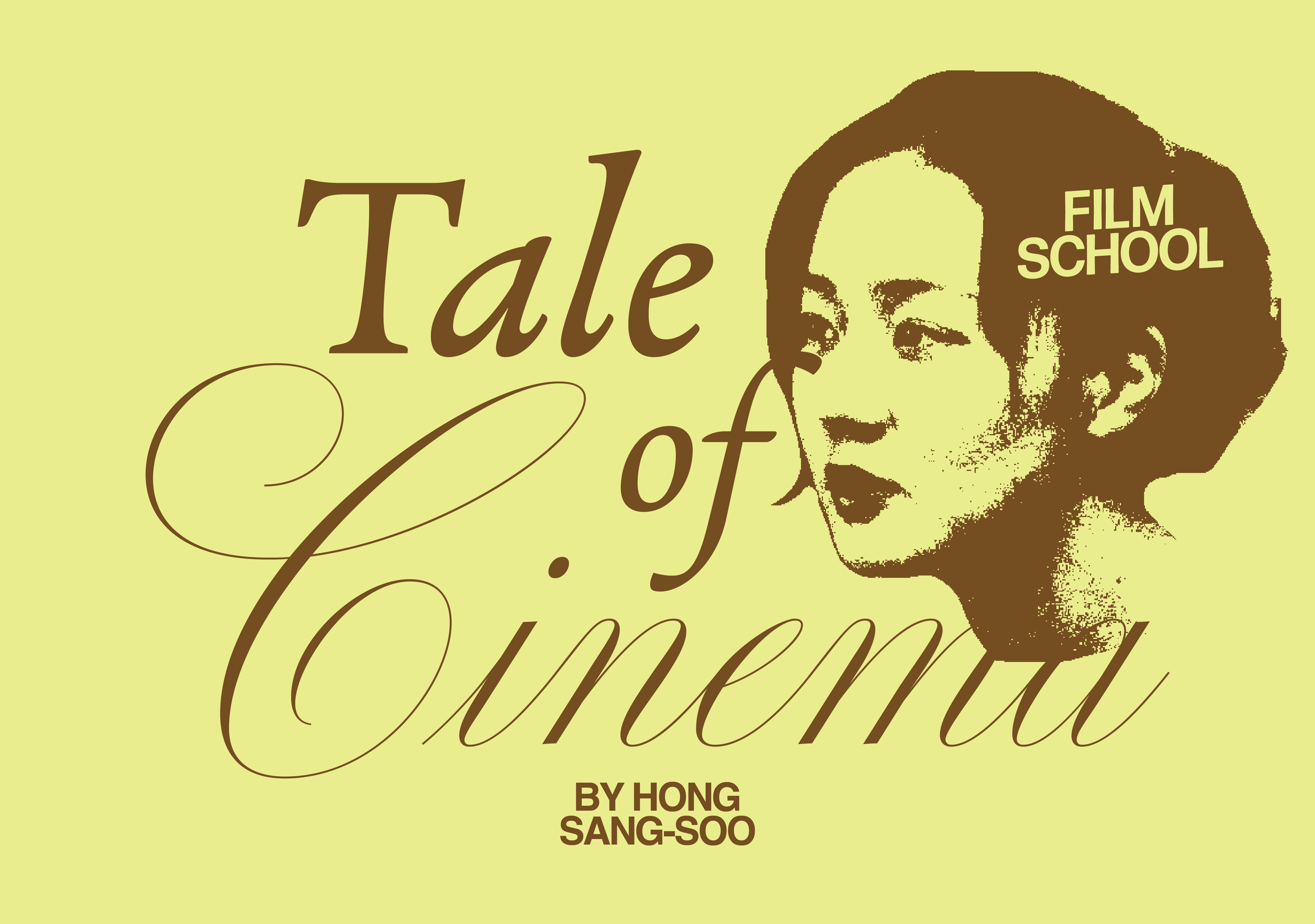
Tale of Cinema
A film within a film. What could be better? Hong Sang-soo applies his signature elliptical narrative style and naturalist camerawork to this tale of life imitating art, blurring the line between which is which. Broken into two halves, first we are shown a film and then the aftermath of its viewing. Without giving too much away, questions of using life in art, cinematic identification, professional success, and male entitlement are brought to our attention. Hong has garnered comparisons to Eric Rohmer, a Film School favorite, with his centering of conversations, contradictory characters, and contemporary relationships between men and women. As one of the most idiosyncratic working directors, Tale of Cinema is a great place to start with Hong’s wide oeuvre.

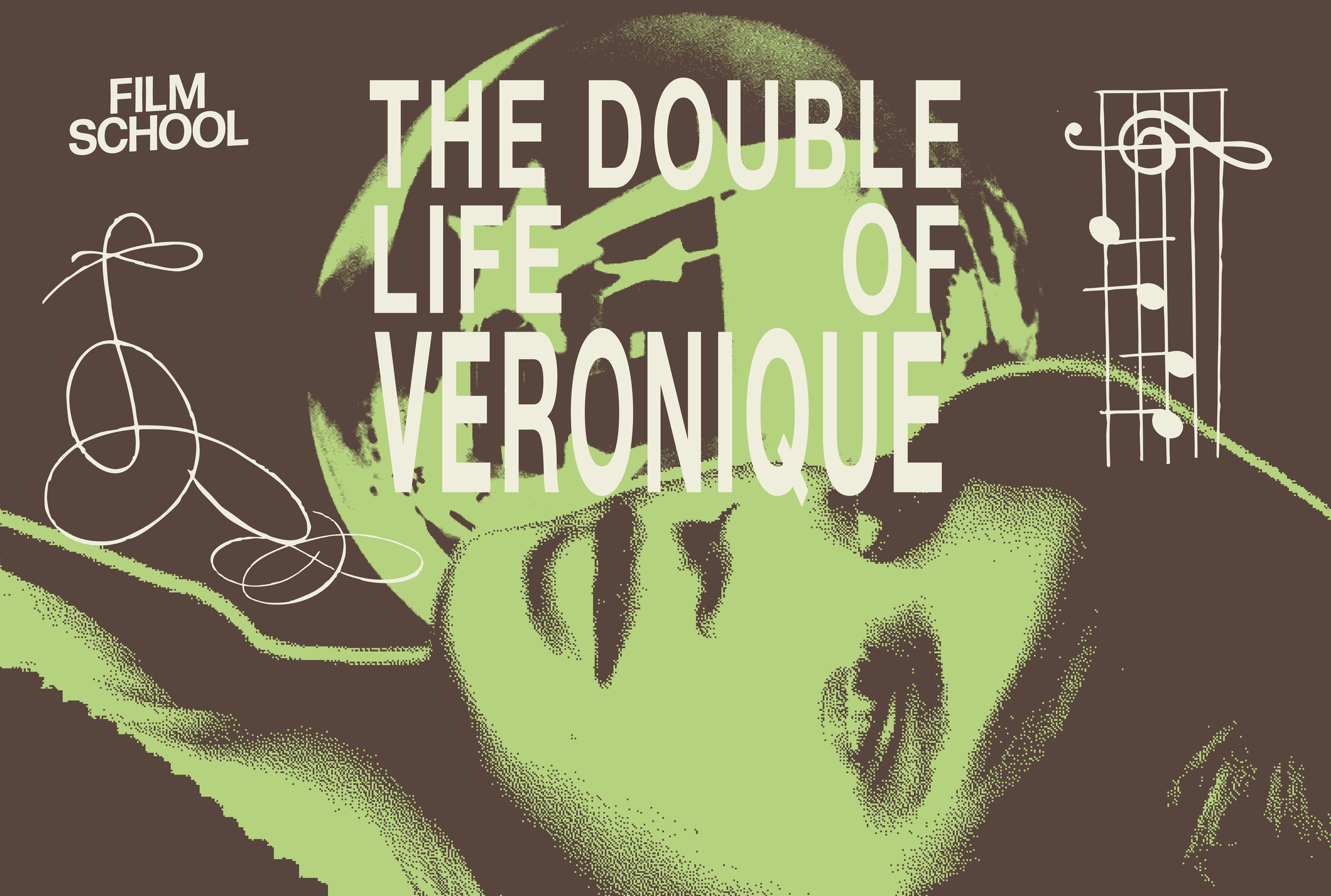
The Double Life of Véronique
Each of us is matched somewhere, in the world, by our exact double - someone who shares our thoughts and dreams.” Krzysztof Kieślowski made his international mark on cinema with the release of Véronique in 1991. The story is of two women, Véronique and Weronika, who share an enigmatic doubling despite being unknown to one another. Irène Jacobs glows as each of the women, giving them each a unique humanity. Kieślowski’s cinema is one infused with the metaphysical, lifting us out of the everyday humdrum of existence into a higher plane of interconnectivity. Arresting and dreamlike, The Double Life of Véronique will put you under a spell and continue with you long after it is over.
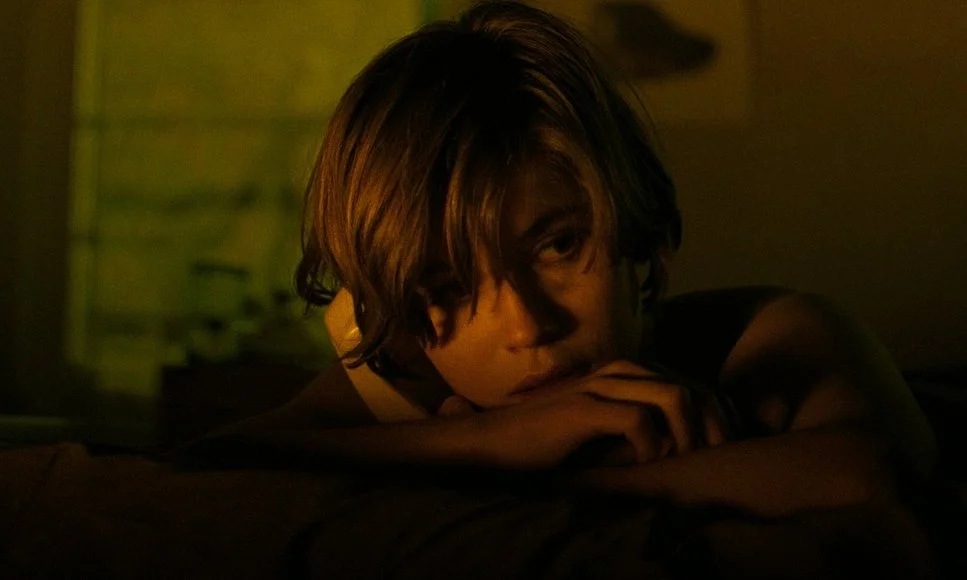
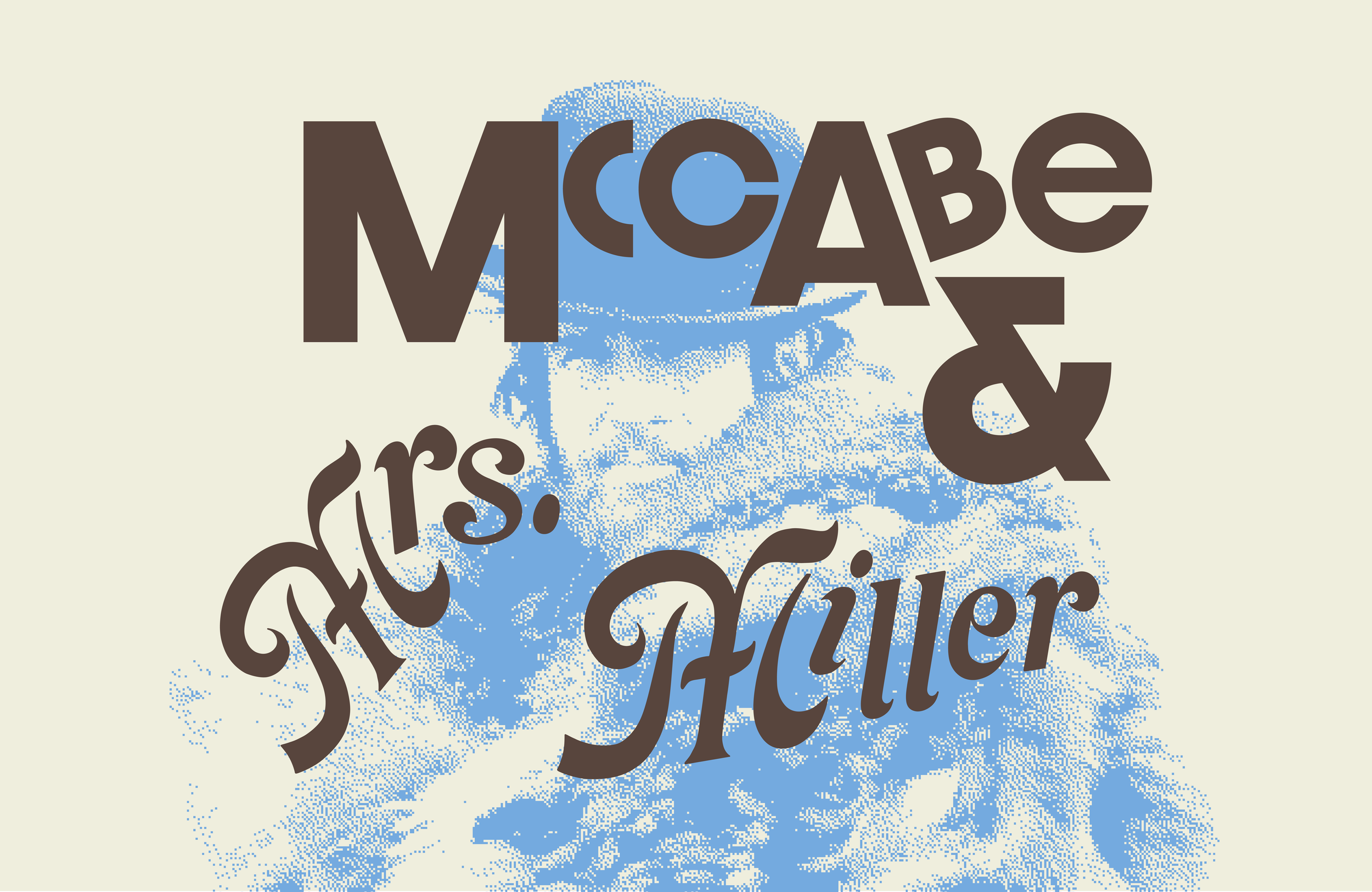
McCabe & Mrs. Miller
McCabe and Mrs. Miller (1971) Directed by Robert Altman. 2hr 1min. Rated R.
Join Film School for Warren Beatty Summer! Cool off from the August heat with Robert Altman’s wintry revisionist western McCabe and Mrs. Miller – the story of a charming gambler and crafty prostitute who join forces to open the best brothel in the Pacific Northwest until their plans are threatened by a powerful mining company. Featuring superb performances from Beatty and Julie Christie, and iconic songs by Leonard Cohen, it is one of Altman’s most acclaimed films and one of Beatty’s most iconic roles. Stay after the screening for a group discussion of the film!
FILM SCHOOL is a community film club hosting monthly screenings, discussions, and a blog. We celebrate cinema, spark conversation, and connect film lovers—on and off the screen.
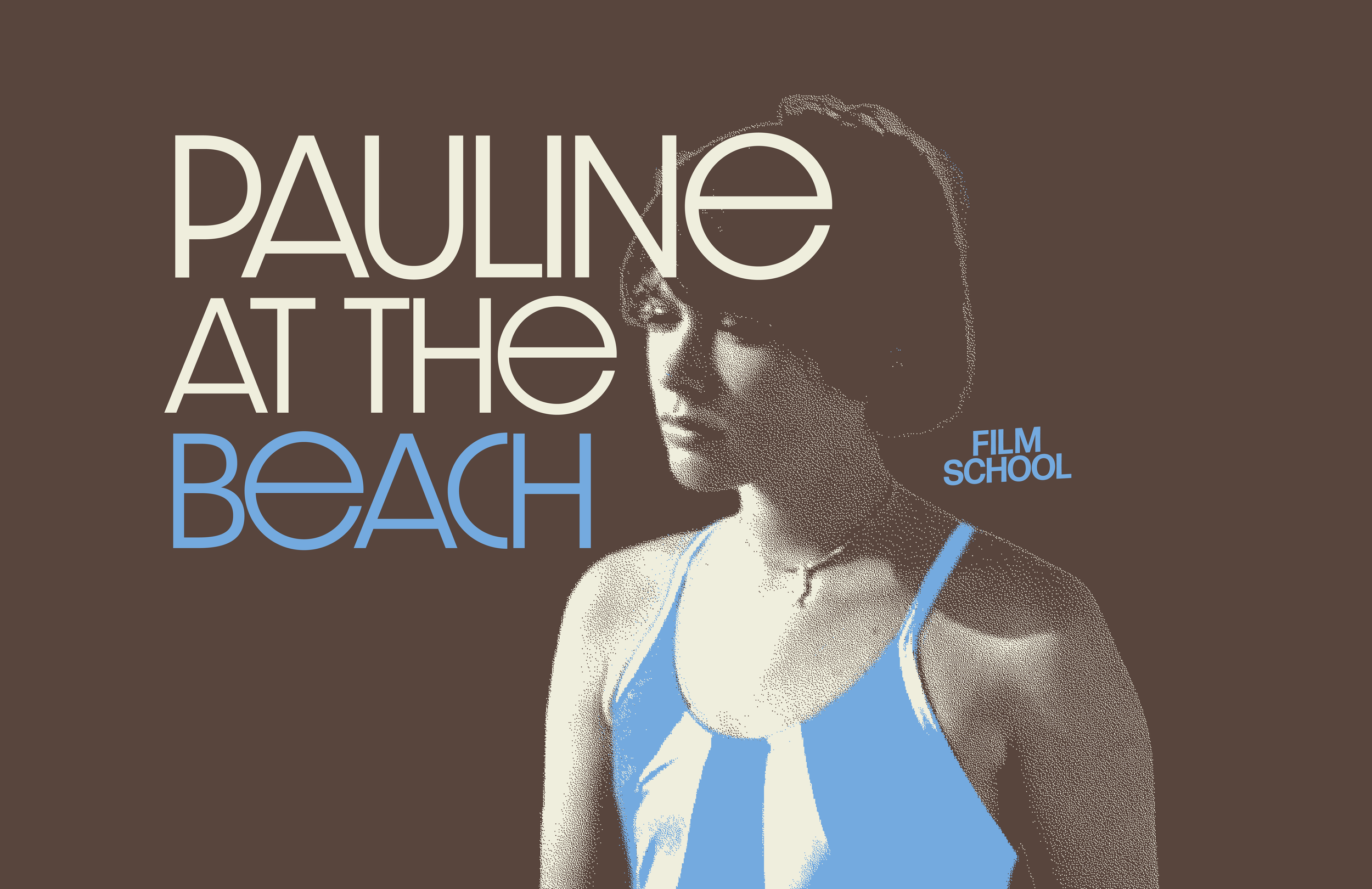
Pauline at the Beach
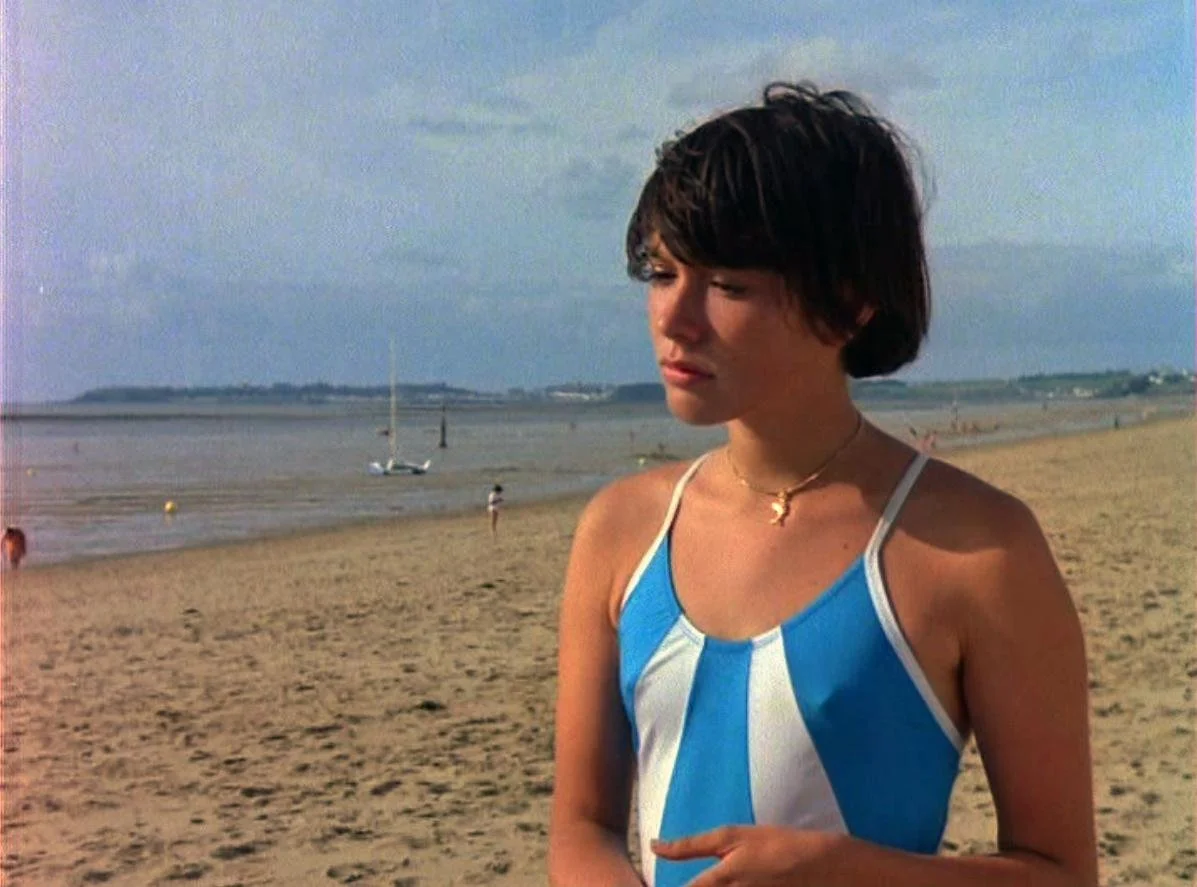
Fun in the French sun. Eric Rohmer brings his signature sense of wit and character to this beach set tale of triangulated desire and self-deception filtered through the view of 15 year old Pauline, who is learning the realities of adult relationships through her older cousin. Full of stylish people waxing on about their conception of love (as are most Rohmer films, which we recommend highly), Pauline at the Beach is a perfect film to help you figure out what you want from your upcoming summer fling. Come to Film School and meet them there.
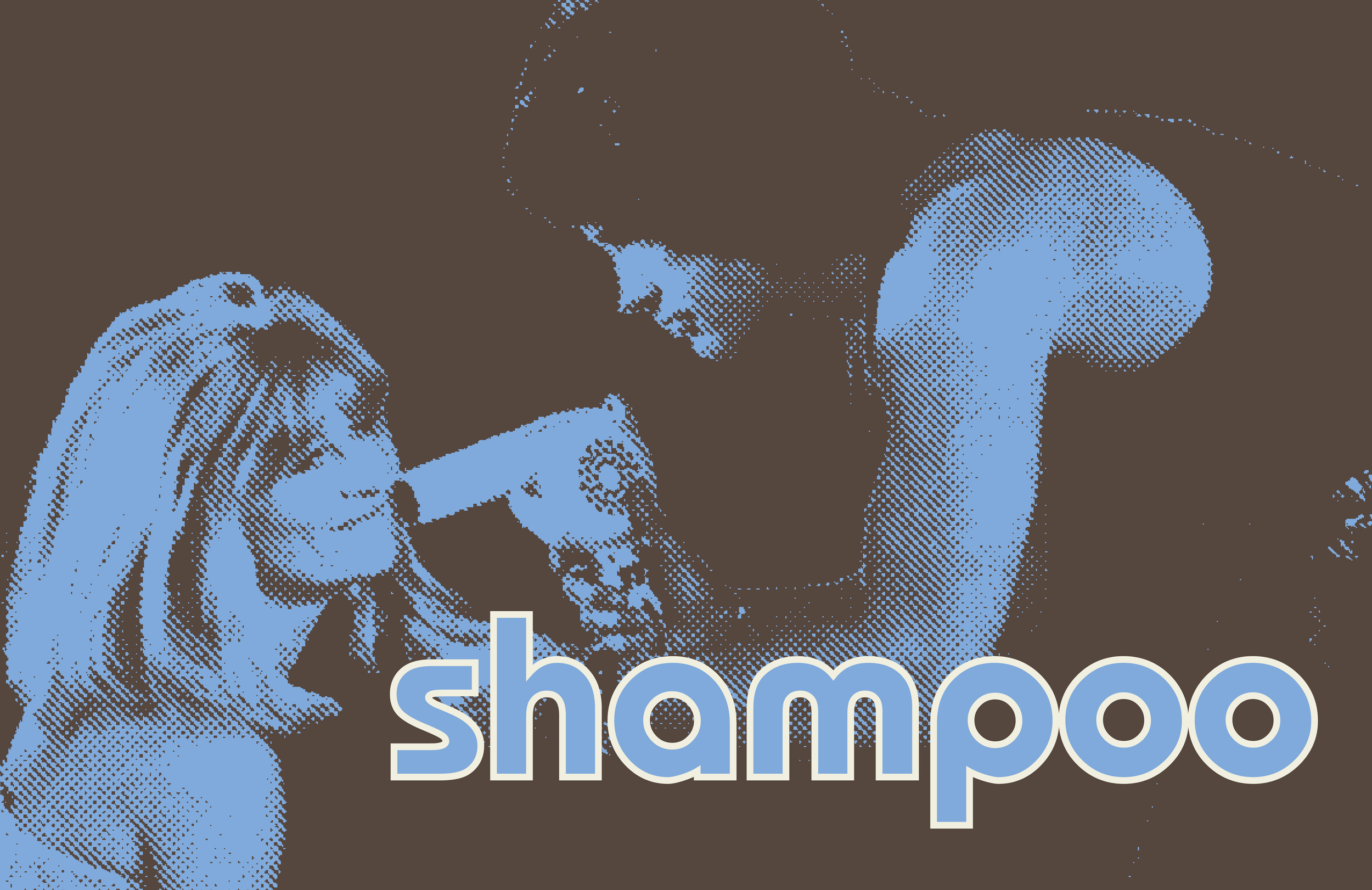
Shampoo
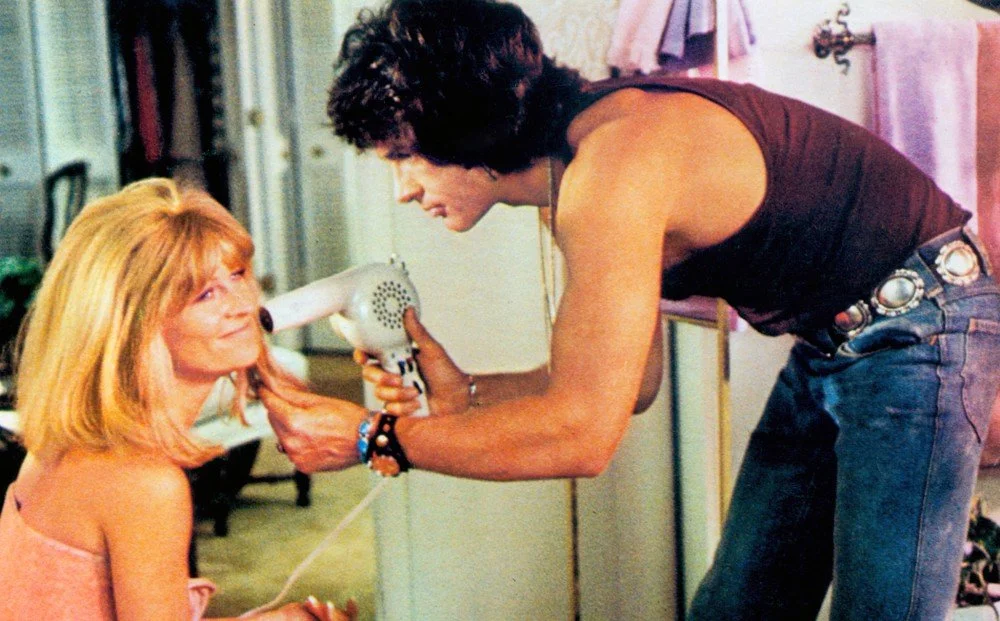
Hair. Love. Sex. Economics. Idealism. Nixon. The Beatles. Beatty. All these and more collide in 1975’s Shampoo, penned by Robert Towne and Warren Beatty, and directed by Hal Ashby. With the distance of seven years, Shampoo looks back on the night of the 1968 election, when Nixon took office and the landscape of America was irrevocably altered. Ashby lets Beatty call the shots with his layered portrayal of womanizing hairdresser George Roundy, but it is the supporting cast of women including Julie Christie, Goldie Hawn, and Lee Grant, who steal the show. Threads about power dynamics, ownership, vanity, and the American dream come together to leave you pondering about much more than appears on the stylish surface of Shampoo.
with Substitute Teacher, Thom Hilton! @thomjh
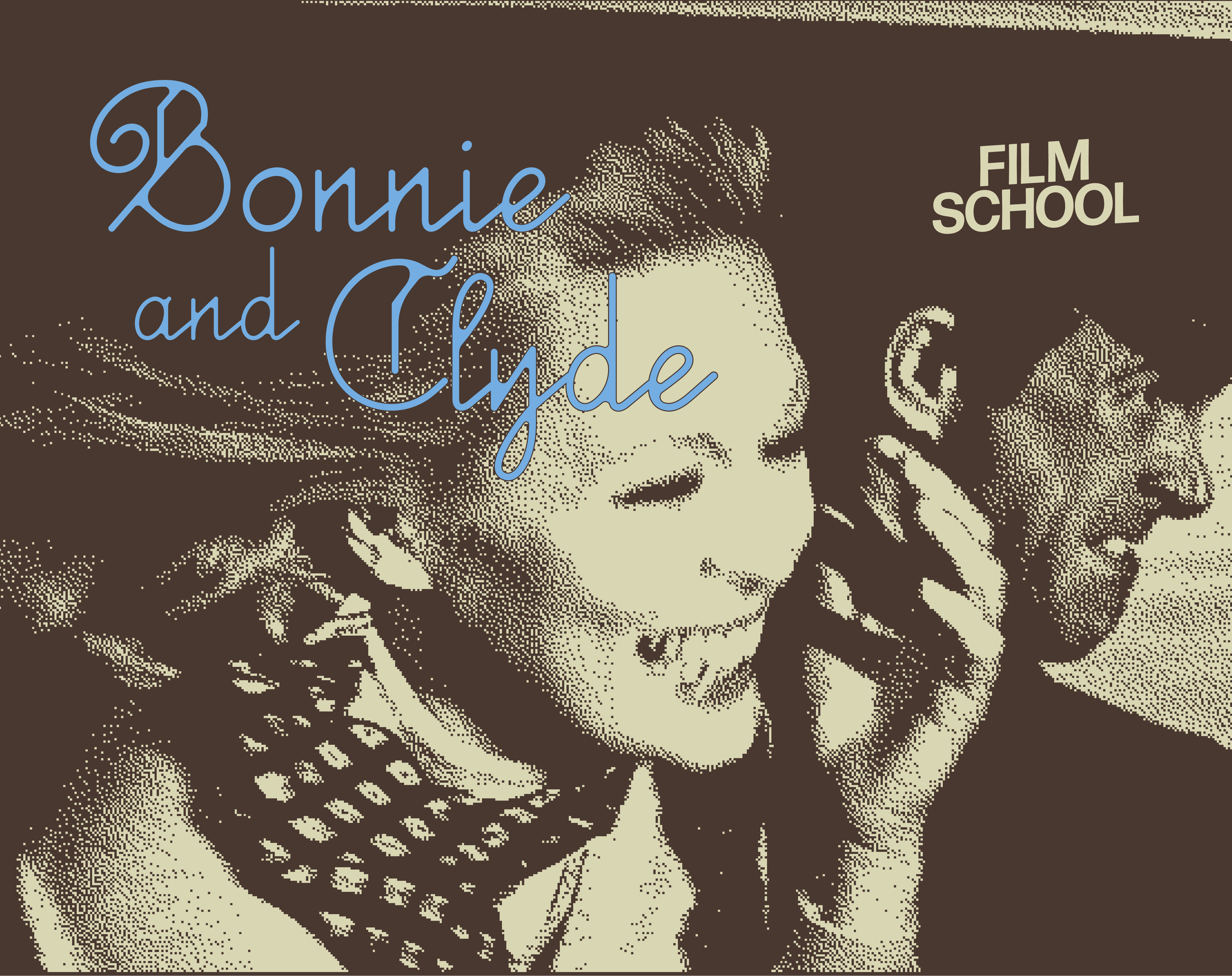
Bonnie and Clyde
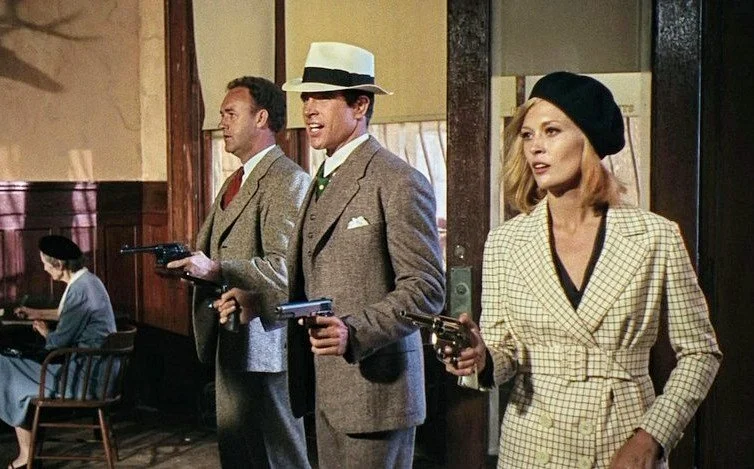
Arriving with many bangs, Bonnie and Clyde changed the landscape of American film upon release in 1967, ushering in the New Hollywood movement. Featuring the most graphic violence depicted on Hollywood screens at the time and a frank sense of sexuality, it went against convention and broke the rules of the Hayes Production Code. It also introduced a new style of editing and tonal balance to Hollywood, courtesy of the imported influence of the French New Wave. Among these historical achievements, Warren Beatty and Faye Dunaway are both very nice to look at too.
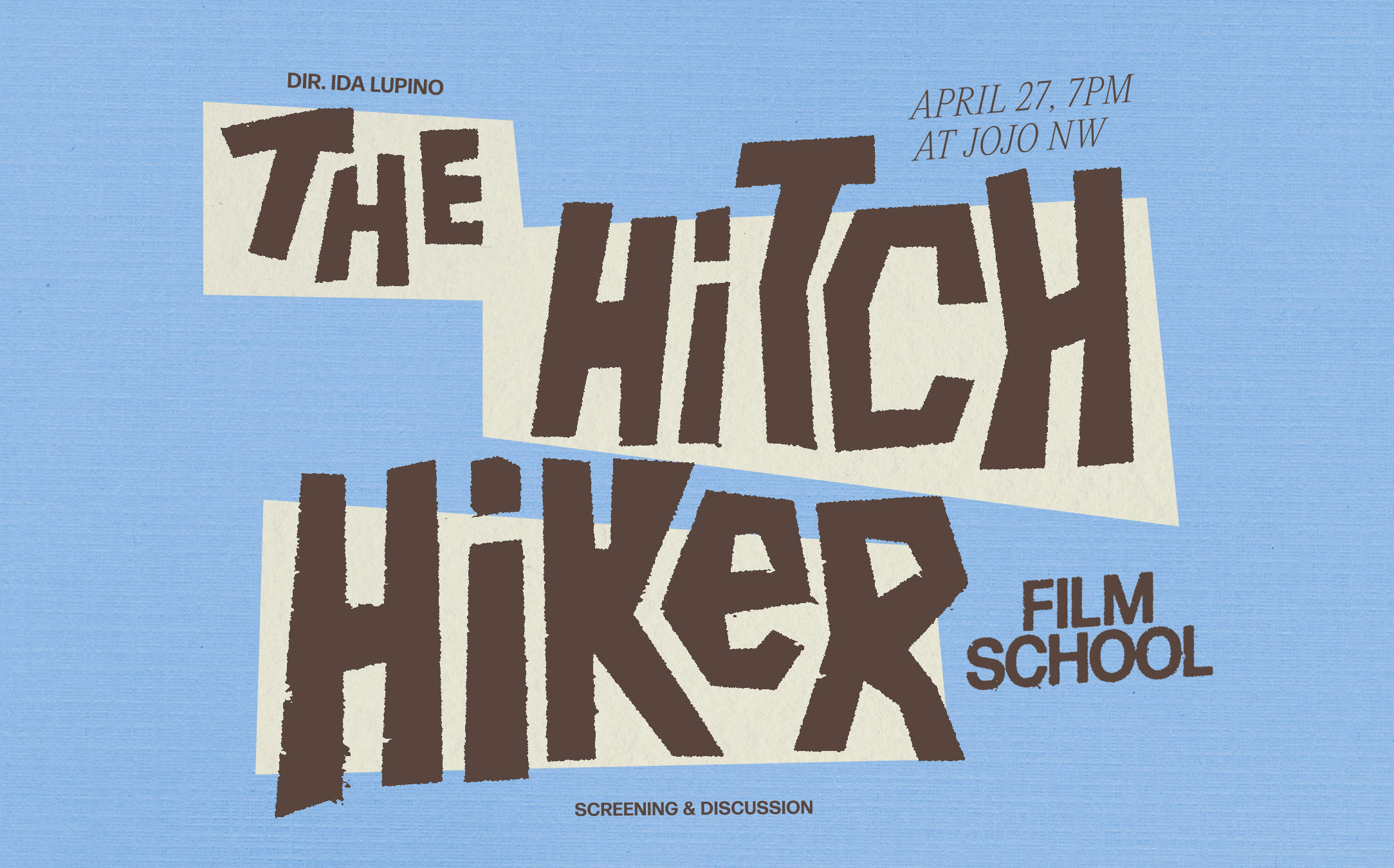
The Hitch-Hiker Screening & Discussion
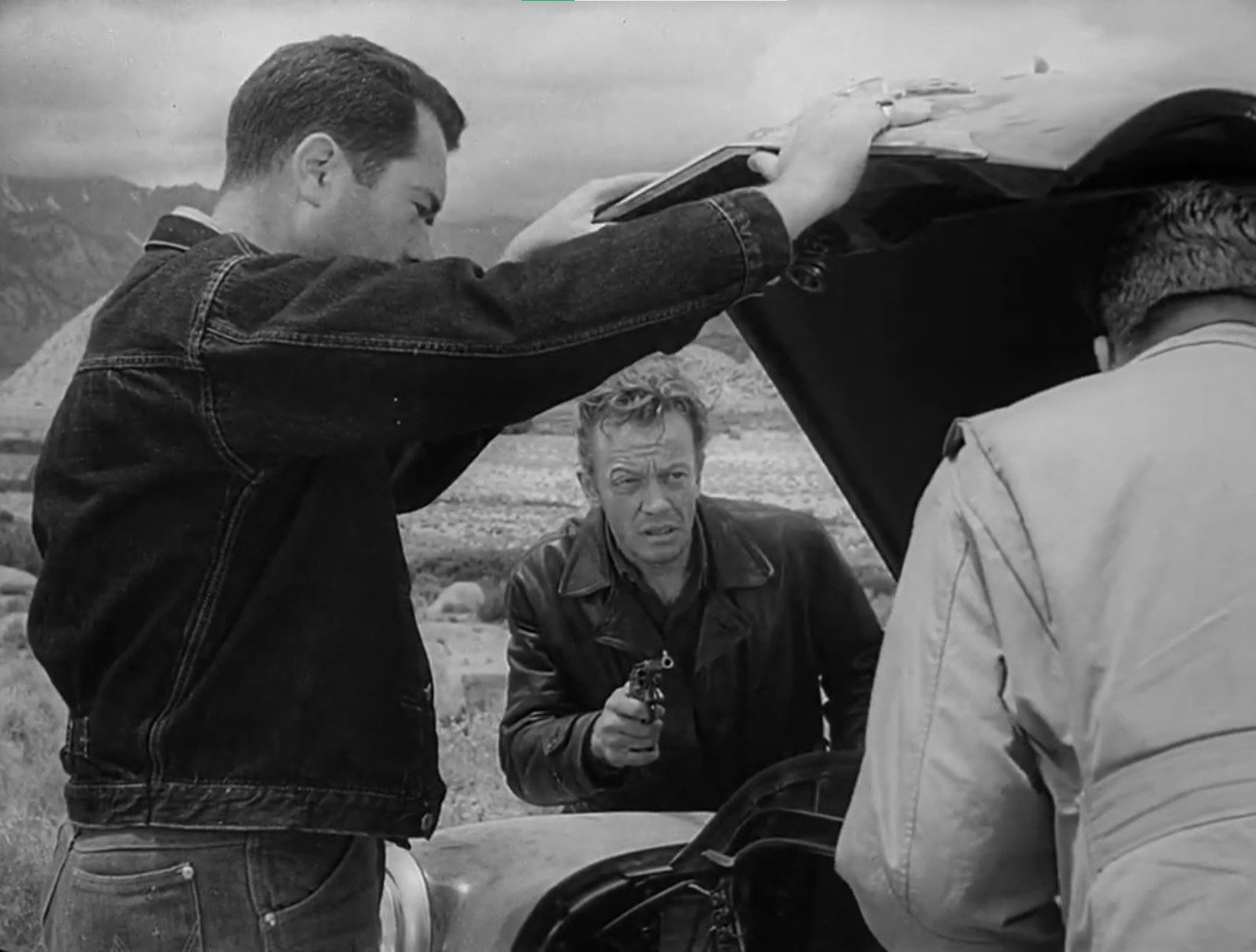
This is the true story of a man and a gun and a car…so opens The Hitch-Hiker (1953). Directed and penned by Ida Lupino, the film pares noir down to its essentials — shadowy cinematography, a psychological view of violence, and grim suspense that sinks into your very being. Two men going on a fishing trip pick up a killer hitchhiker and are brought to the brink through his games. With much more to it than initially meets the eye, The Hitch-Hiker is a landmark not only because it is the only true noir directed by a woman, but also for its place in early independent filmmaking. Its influence in style, story, and production can still be seen today.

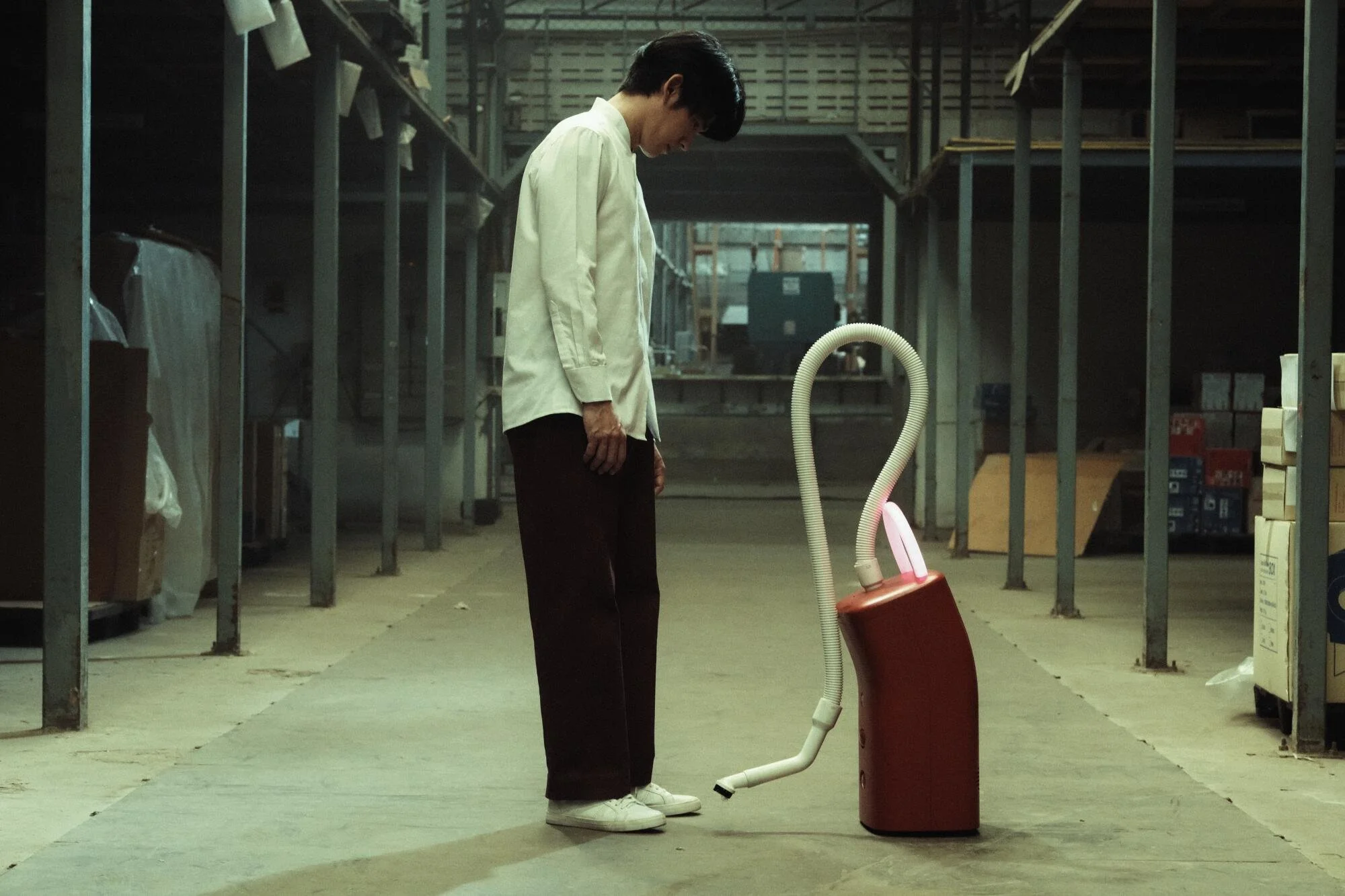
A Useful Ghost PDX Panorama Screening
We are thrilled to be hosting this event for PDX Panorama!
After dying from a respiratory disease, a mother's spirit possesses a vacuum cleaner to protect her husband when he begins showing the same symptoms. Winner of the Grand Prize at the 64th edition of Cannes Critics’ Week.
SCREENING + DISCUSSION
La Belle et la Bête
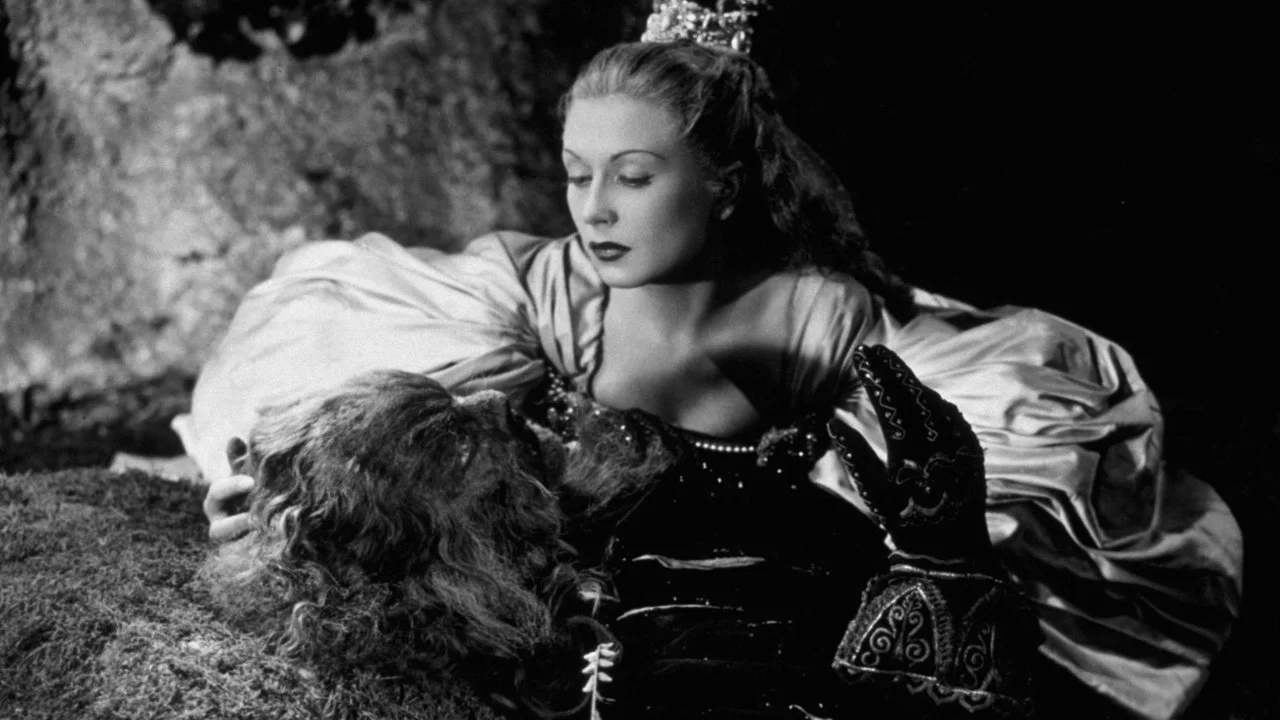
Childhood believes what is told and does not question it…it has complete faith in us…I ask of you a little of this childlike naivety and, to bring us luck, let me speak four magic words…Once upon a time…”
So entreats Jean Cocteau at the beginning of La Belle et la Bête, his surrealist version of the classic fairytale. Cocteau first and foremost referred to himself as a poet and La Belle et la Bête is a shining example of his cinematic poetry. With stunning production design and costuming, the film sweeps you away in its romantic fantasy. We invite you to give yourself away to its pull and return to the fairytales of childhood.
Bringing Up Baby Screening & Discussion
The screwiest of screwballs, Howard Hawks’s Bringing Up Baby is a delight and a riot. Starring gruesome twosome Cary Grant and Katharine Hepburn, the film provides a space for their full charms and comedic prowesses to bloom. Hijinks abound as they deal with dinosaur bones, women’s negligee, a leopard who loves singing, and most of all each other. Your sides and cheeks will hurt after from hootin and hollerin.
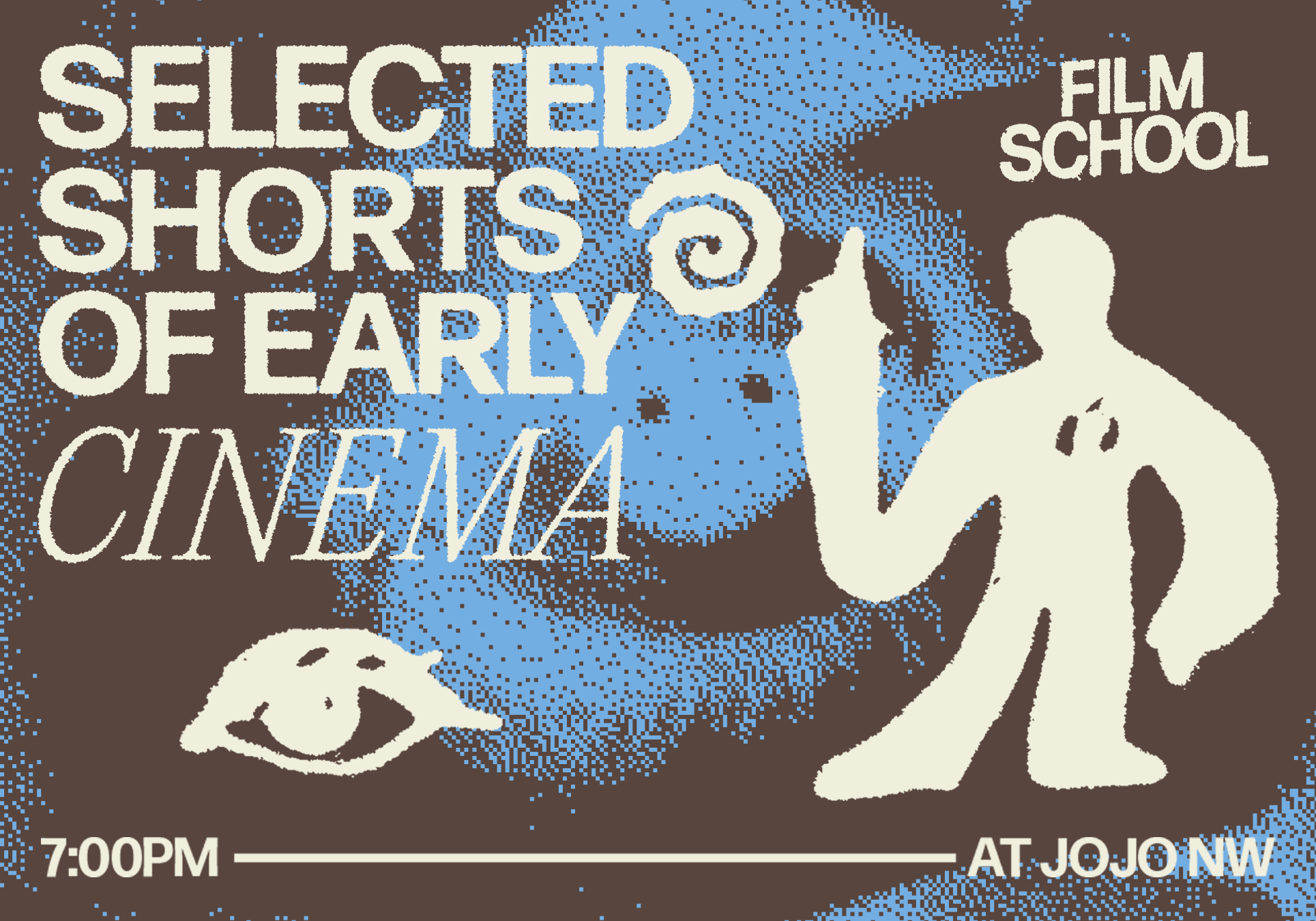
Selected Shorts of Early Cinema
To kick off a new year of Film School, we’re heading all the way back to cinema’s roots. This month we offer a small selection of shorts from early cinema, focused on comedy and surrealism. Come watch then discuss how cinema has changed and how it has stayed the same. Program to be announced soon!
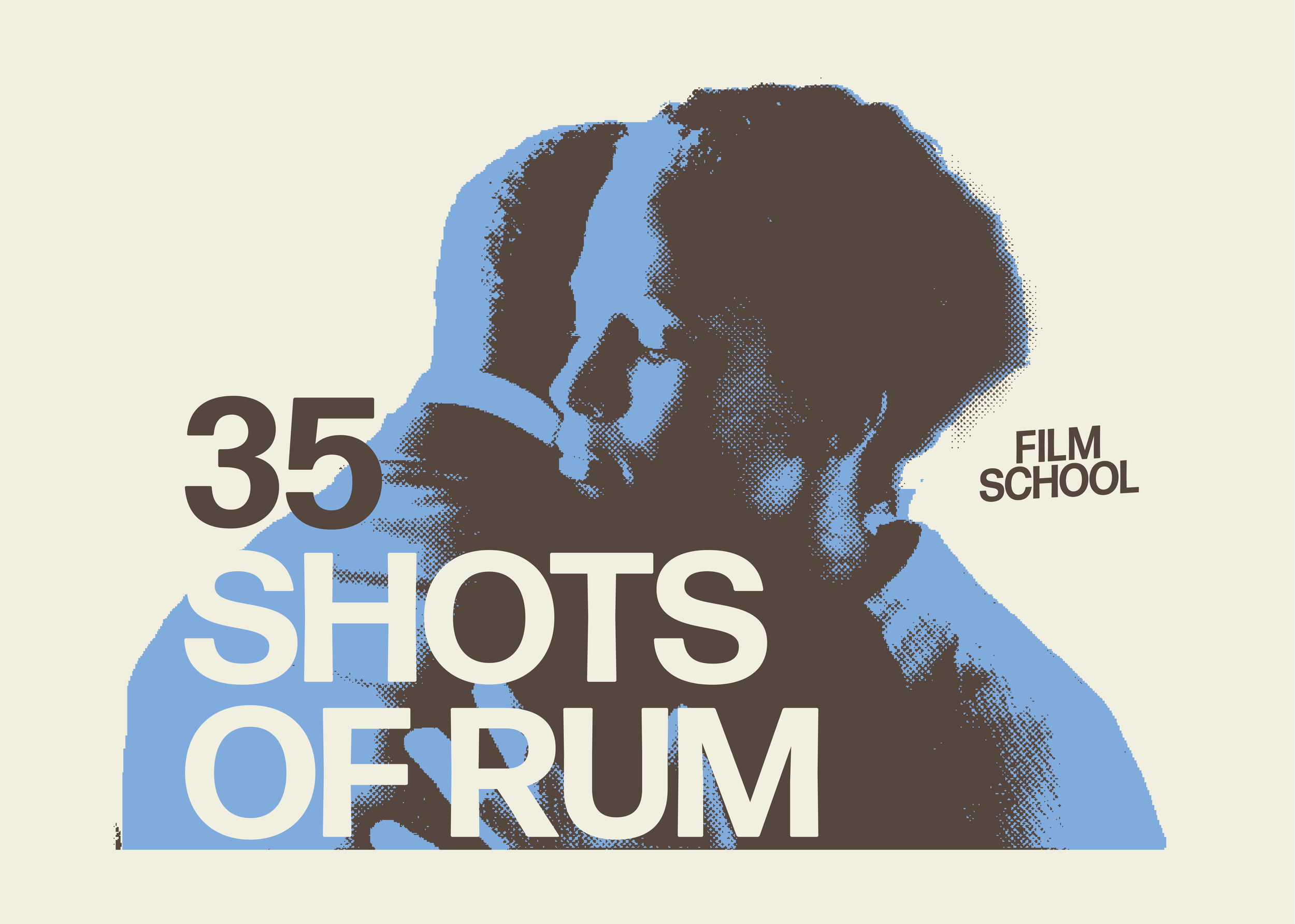
35 Shots of Rum
Claire Denis’s quietly moving portrait of a father and daughter whose lives begin to diverge. Set in Paris, the film captures the tenderness of routine and the ache of change. Screening followed by a group discussion.
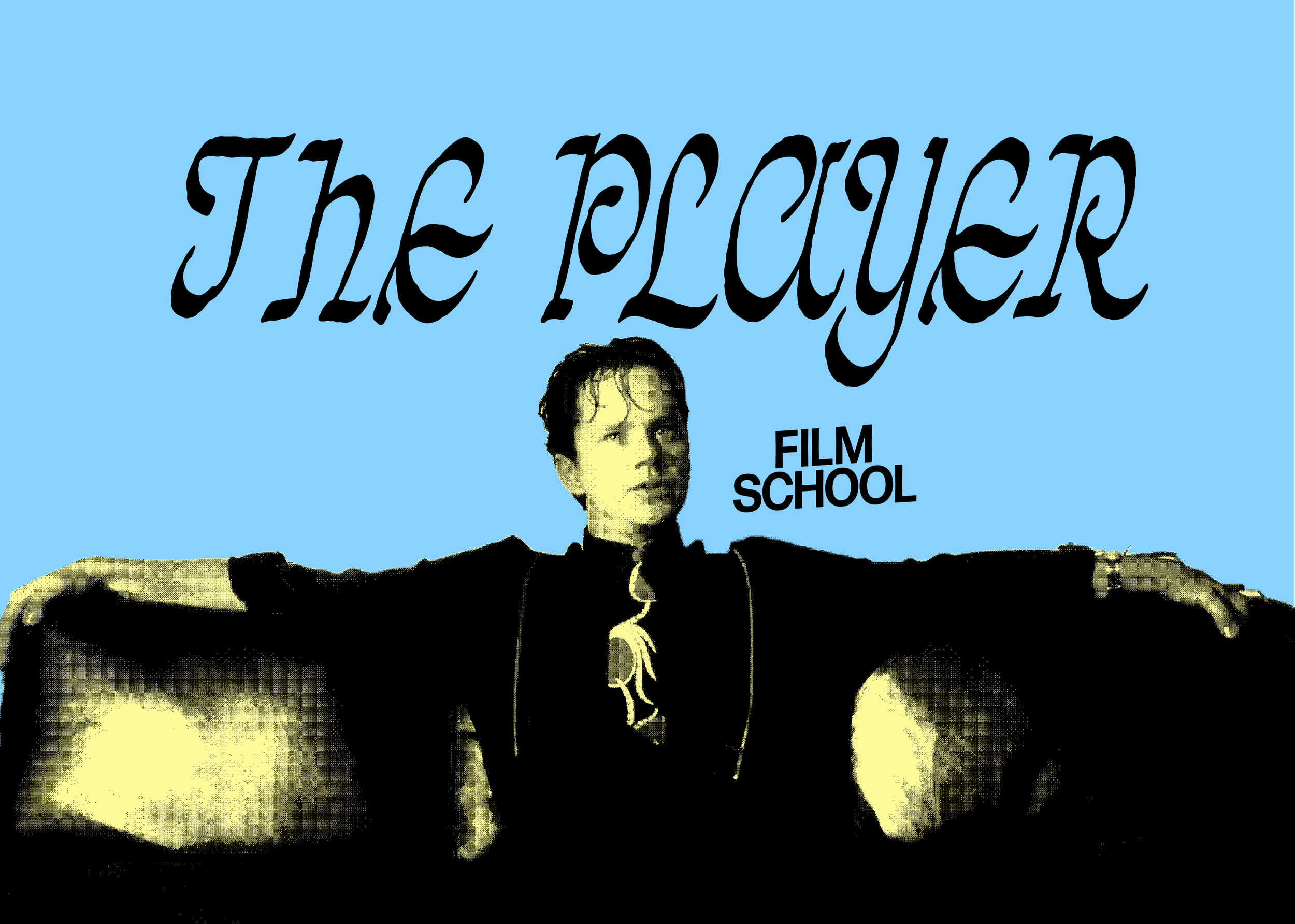
The Player
Robert Altman’s dark Hollywood satire about a studio exec caught in a murder and a system that rewards it. Our pick for the 1990s — movies about movies, and the mess behind them.
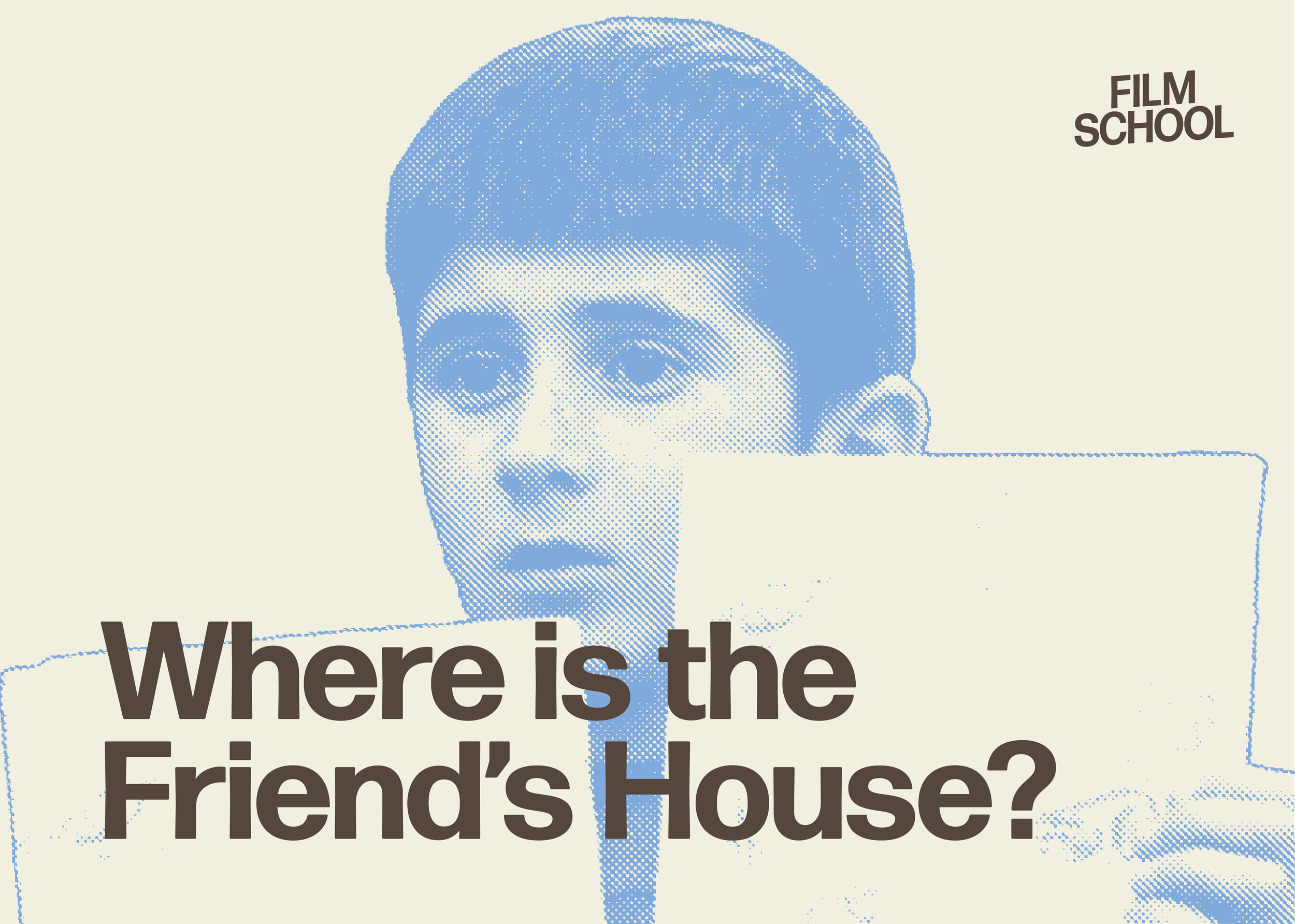
Where is the Friend’s House?
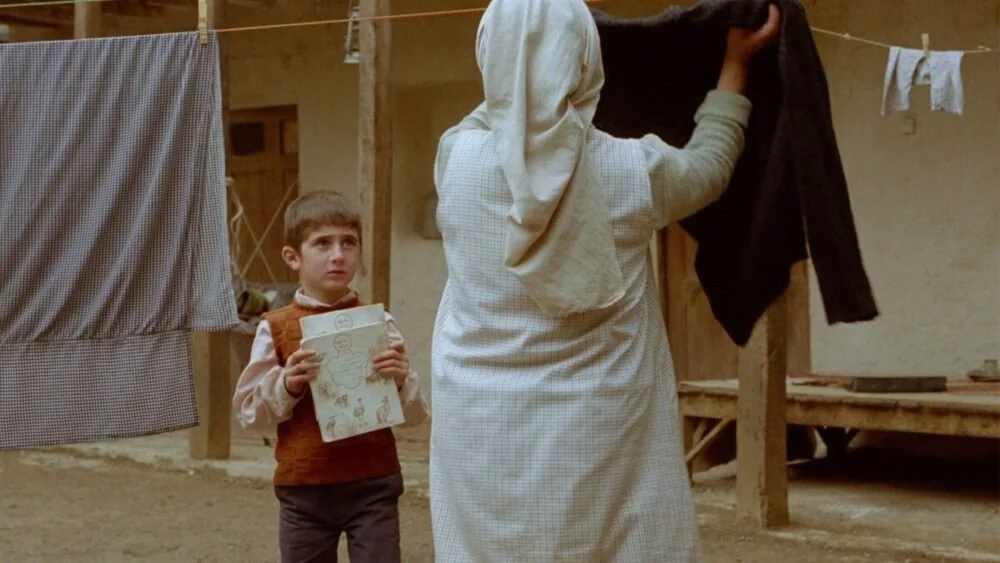
Where Is the Friend’s House? (1987)
Abbas Kiarostami’s tender, quietly powerful film follows a boy’s determined search for his classmate’s home after accidentally taking his notebook. What begins as a simple errand unfolds into a moving portrait of childhood, responsibility, and the small acts of care that shape community.
Join us for a screening and discussion of this landmark work of Iranian cinema.
Fox and His Friends
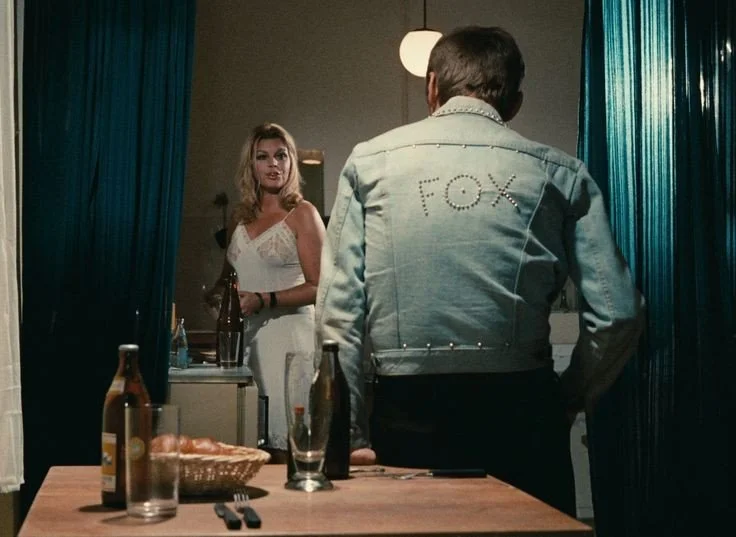
Our pick for the ’70s is Fox and His Friends, Fassbinder’s first overtly gay film and a sharp look at class, love, and exploitation. It follows a working-class man who wins the lottery and is drawn into the world of the wealthy, where power and affection become intertwined.
The screening will be followed by a group discussion.
Doors at 6:30.
Alphaville
Our pick for the 1960s: Godard goes sci-fi in this cool, cryptic noir where love is outlawed and logic runs the city. Shot in real Paris but set in a dystopian future, Alphaville is part detective story, part philosophical fever dream, and all style. Followed by a group discussion.

Pickpocket
We’re moving into the 1950s with Pickpocket — Robert Bresson’s minimalist masterpiece and one of the most quietly influential films of the 20th century. A major inspiration for Taxi Driver, Pickpocket follows a young man’s descent into crime with stark realism and spiritual intensity. With its focus on hands, isolation, and grace, Bresson strips cinema down to its barest elements — and somehow makes something transcendent. A beautiful, haunting portrait of alienation and the flicker of redemption.

The Philadelphia Story
Moving through film history, we now turn to one of the defining films of 1940s cinema — The Philadelphia Story. Discussion after the film!

City Lights Screening
To begin our journey through film history, we first turn to one of the most iconic faces of 1930s cinema — Charlie Chaplin.